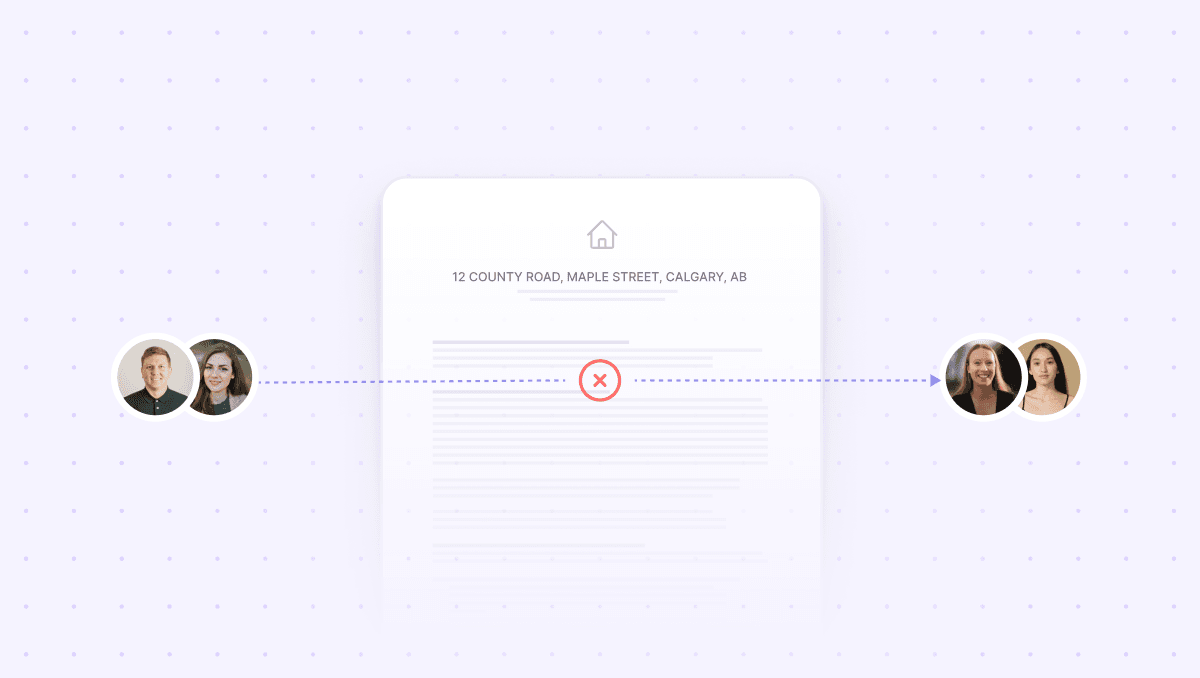
Why is Conveyancing Broken?
Dec 12, 2023
In the world of real estate law and conveyancing, challenges have been evident for years. The processes have often felt archaic, communication gaps are common, frustrations abound, and the entire system seems to be stuck in a time warp. The pandemic further exposed these failings, making it clear that the industry desperately needs a transformation.
Age-Old Problems
Increasing Workloads
It has always been difficult for firms to absorb rapid increases in workloads. A surge in property transactions, as seen with the pandemic, has strained conveyancers' workloads, and contributed to even slower turnaround times. Firms can only absorb these pain points through a combination of seasonal and inefficient staffing, so there is no real way to effectively scale up with increasing workloads.
Bureaucracy and Delay
In the realm of land transactions, the dynamics of speed have witnessed significant shifts. Buyers and sellers now engage at an unprecedented pace. Thanks to the adoption of technology by realtors, such as virtual tours and Docusign, buyers make offers and sellers accept them at faster rates than ever. As the speed of their businesses increases so do their expectations on conveyancers.
Yet, for law firms, balancing client expectations for immediate results with the barriers of realty presents a unique challenge. In some jurisdictions governing bodies for land titles still require the use of original ink signatures. Even for firms eager to embrace technology, a certain amount of paper is unavoidable. Consequently, law firms find themselves caught between the rapid creation of contracts and the painstakingly slow processes required to fulfill them.
Communication
Effective communication between conveyancers, clients, realtors, mortgage brokers and other stakeholders very often falls short. Delays and misunderstandings are usually par for the course, impacting the overall experience of buying or selling property to the point where buyers and sellers expect the process to be frustrating and painful.
Why Is This All Happening?
Technological Stagnation
There may be many reasons, but technological stagnation stands above them all. Conveyancing processes remain rooted in the past, with many firms still relying on paper-based methods and cumbersome PDFs for documentation. While other sectors embraced technology for efficiency gains, conveyancing seems unable to move beyond quill and ink signatures.
There's a total lack of workflow software. Conveyancing is tedious and repetitive, with almost every step of the process being manual – from collection and identification to input, verification, and drafting.
Covid-19 has digitized the landscape, but the tools to integrate digitally do not yet exist. With dozens of documents per transaction across hundreds of simultaneous transactions, clerks are constantly bouncing between multiple files. Each time they must reorient themselves to pinpoint where they left off and what step is next, creating bottlenecks and the potential for human error.
Conveyancing Industry is Ripe for Transformation
The conveyancing industry lags behind other sectors that have embraced technology for efficiency gains. The tedious and repetitive nature of the process makes it a perfect candidate for workflow automation, and the challenges faced by conveyancers are well-understood as is the need for transformation.



Unlock Faster Closings with Jora
Jora makes closing real estate deals feel a little like magic✨, and we think you're going to love what you see.