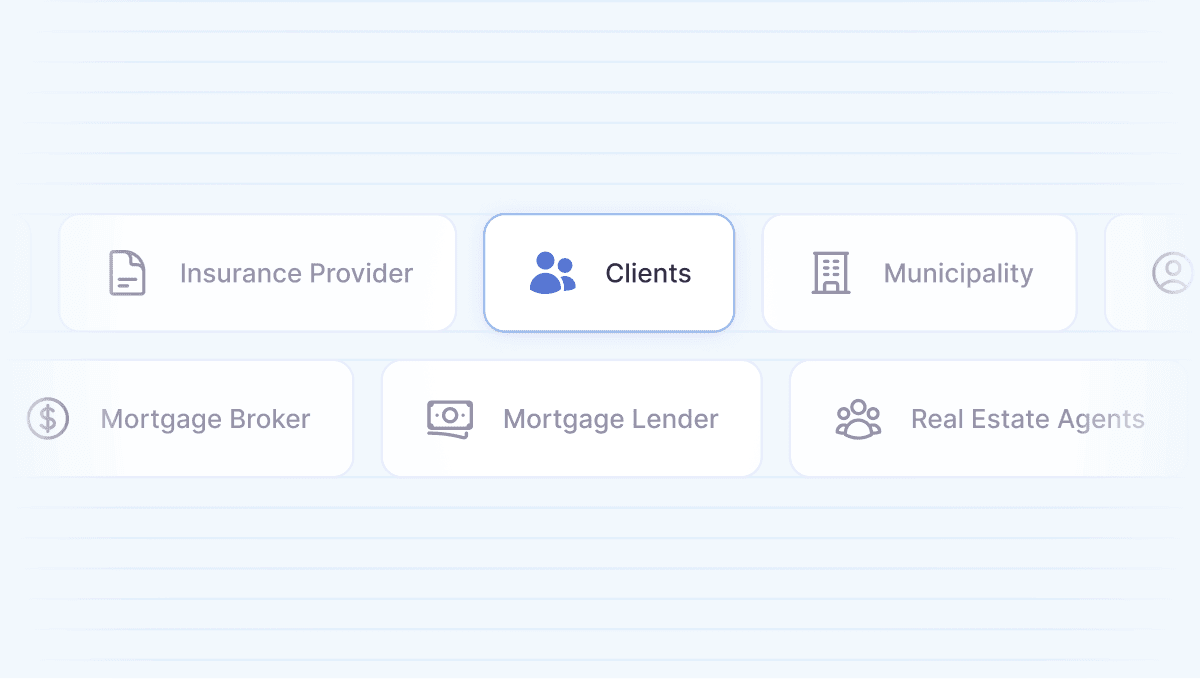
Roles in Real Estate
Feb 20, 2025
Real estate conveyancers plays a crucial role in closing a transaction - one might say the crucial role since you can't transfer a property title without one and unless the property title is transferred the whole transaction is...well...not a transaction.
But many other parties play a part as well, some of them leading, some supporting, and others like extras walking around in the background. In this article, we'll describe the main roles and their responsibilities in the transaction.
Clients
Everyone in real estate is essentially acting on behalf of either a Buyer or a Seller. It's easy to overlook this because usually the buyer and seller are less knowledgable than anyone else about what is going on. They don't know how to list a property on the MLS, they don't know what an easement is or how to remove it. The words "Estoppel" and "Amortization" may fly over their heads.
But they aren't just stooges or extras. They are the Main Characters. The buyer and seller are sort of like Frodo in the "The Lord of the Rings" - they may not have the stature and special abilities of the other characters, but they hold the Ring of Power. After all, it's the Seller's house and it's the Buyer's money.
All the other roles are professionals who are acting in the interest of a client to accomplish the client's goals - whether or not the client understands what all of those goals are or should be.
The interests of the Buyers are to:
- Find a property they love
- Come up with a way to afford said property
- Know the exact condition of the property they intend to purchase
- Not get stuck with any of the seller's problems by mistake
- Move in!
The interests of the Sellers are to:
- List and Market their property as widely as possible.
- Disclose all the details of their property - so they don't get sued later.
- Clear the title of their property so it can be transferred cleanly to a seller.
- Pay off the mortgage on the property, if they have one.
- Get paid!
Many of the other roles in the real estate conveyancing process are to protect one or more of these interests for either the buyer or the seller.
Real Estate Agents
To be a real estate agent in Alberta, you must be licensed by the Real Estate Council of Alberta (RECA) and employed by a licensed real estate brokerage. Many real estate agents also join the Canadian Real Estate Association (CREA) and get to use the fancy, trademarked, all-caps designation of REALTOR®. This means the real estate agent has gone through some additional training and agreed to abide by CREA's ethics code.
A Buyer hires a Selling Realtor to help them find a home. We know - It's confusing that the "Selling" realtor works for the buyer, but that's just the way it is. You can also call the Selling Realtor the Buyer's Agent, which makes more sense.
The Seller hires a Listing Realtor who - you guessed it - lists the property on the Multiple Listing Service (MLS). In Canada, means the property shows up on Realtor.ca. The Listing Realtor may also work with the buyer beforehand to help get the property ready for sale. This might mean coordinating inspections, handling repairs, and staging the home to make it more appealing to buyers. Lastly, the listing realtor is usually responsible to get professional photos of the property (the ones that make it look bigger and nicer than it really is) and then market the property using social media, email, open houses, and other channels.
Once the Buyer identifies a home, the two real estate agents act as intermediaries for their clients to collect and communicate information and disclosures about the property, negotiate a price, and navigate any issues that pop up along the way.
It's very important during this stage that all the details about the property are above board and obvious to the Buyer. No one wants to buy a new home and then find toxic chemicals buried in the back yard or that the basement floods every Spring. These kinds of unpleasant and unexpected revelations are also called Material Latent Defects and the Seller is under legal obligation to disclose them before a contract is signed.
The end result of the realtor's work is a Contract of Purchase and Sale (CPS), which outlines the price the two parties have agreed to along with what are called "Subjects" - stipulations which the contract is subject to. Usually these include a home inspection and financing, but they could (and sometimes do) include just about anything.
Once the realtors have a CPS signed by both parties, they often refer their clients (if the client doesn't have a firm in mind already) to a real estate law firm to complete the closing . By law in Alberta, a real estate agent must provide their clients with at least three options for conveyancer. So realtors aren't allowed to play favourites.
In addition, real estate agents usually handle all the tasks of showing the house, conducting walk throughs, exchanging keys, letting in contractors, and the myriad of other physical to-dos that put the real in real estate.
Mortgage Broker
Unless the Buyers are paying cash, they hire a Mortgage Broker to help them find a Lender who is willing to finance their home purchase.
This is where things get a little fuzzy, because the Mortgage Broker might be employed by the Lender and/or represent the Lender or might be working independently on behalf of the buyer - shopping their deal to multiple lenders and trying to get the best rate and terms. The broker can choose to represent the buyer or the lender or act as an intermediary between the two so long as everyone knows who's representing whom. You can find out more about the nature of these relationships from the Real Estate Council of Alberta (RECA) which is the licensing body for mortgage brokers in Alberta.
In order to make the case to a lender that buyers qualify for a mortgage, the broker gathers various financial documents from the buyers, like proof of employment, bank and investment account statements, existing debt statements (like credit card and car payments) and other details related to the buyer's financial history and status. A good broker will get creative (but not too creative) in putting together a case for the buyer's financial qualifications.
Once the mortgage is approved, the broker's role is mostly done, but they may still jump in to help if any questions or issues come up regarding the loan terms or if the lender needs more documents before releasing the funds.
Mortgage Lender
Lenders—usually banks or other financial institutions—provide the financing for the purchase. So they are a pretty big deal. Unless a lender is willing to play ball, then the game is usually called off and everyone goes home.
If the buyers are smart and have had good coaching from their realtor, they will get pre-approved by a lender (or even multiple lenders) before submitting an offer on a house. This pre-approval establishes that (based on the financial info the lender has received from the broker) the lender is willing to loan an amount sufficient to purchase a house of a certain price.
Pre-approval, however, doesn't mean the lender is 100% agreeing to finance the purchase. The lender has approved the buyers but has not approved the house or the other details of the transaction. A lender, for instance, may be willing to lend buyers $500k, but not if it's to buy a house which appraises at only $200k, and most lenders won't provide financing unless the property and its title are insured.
The lender's main concern is securing its interest in the property, so it has specific conditions that need to be met before it releases the funds. This might include getting property insurance, appraising the house's value, verifying the buyer’s financial stability, and making sure all the legal documents are signed correctly - including those which establish the lender's right to foreclose on the house if the borrower stops making payments.
Lenders work with the conveyancing firm to register the mortgage on the title and provide mortgage instructions (conditions) to the conveyancer. It’s the conveyancer’s job to make sure all these conditions are met and that everything is in order to protect the lender’s interest. So in a way, the mortgage lender is one of the conveyancer's customers.
Insurance Providers
If a house with a mortgage burns down or is otherwise destroyed, then unless the house is insured against the cause of its demise and unless the insurance policy lists the lender as a Loss Payee, the lender might lose the amount remaining in the mortgage.
So understandably, lenders require home insurance to be in place at the time of the closing and require that they are listed as a Loss Payee on the policy.
Most buyers, of course, want home insurance anyway, but you would be surprised how often this aspect of a closing is forgotten or delayed until it creates risks to the closing date. On paper, it's the buyer's responsibility to have insurance in place for the closing, but in practice, the conveyancer is often the one reminding and prodding the buyer to ensure they have a policy ready.
In additional to property insurance, many deals also require title insurance to protect both the buyer and lender against issues with the property title, like defects or fraud. Title insurance policies also help mitigate risks related to the property’s history or zoning issues.
Municipality
The municipality in which the house is located has two main concerns:
- That property taxes are paid in full and on time even as the property is in transition between owners.
- That the property is in compliance with local regulations and bylaws.
Early in the process, the conveyancer will contact the municipality's tax office to get a Property Tax Certificate showing the current owner's tax payment status.
Later in the process, the municipality may require a Real Property Report from a land surveyor in order to verify that the property and the buildings on the property are in compliance with the municipality's regulations and bylaws.
The municipality's records need to reflect the new ownership. This ensures property taxes go to the right person and that any outstanding municipal charges are settled at closing.
Land Title Office
The Alberta Land Title Office (LTO) provides a service called SPIN2 (or Alberta Land Titles and Surveys Spatial Information System), which allows conveyancers to pull a current title.
The title will likely have various registrations (such as mortgages, easements, writs, liens, etc.), some of which (like easements) will be transferred from the seller to the buyer and some of which (like the seller's mortgage) which must be discharged during the closing process. New charges (or registrations) must then be placed on title, such as the buyer's mortgage.
The Land Title Office doesn't work in real time. It can sometimes take a few weeks or even months after the closing date and multiple back and forths with the LTO to clear the title of the seller's charges, list the new owner, and register the buyer's charges.
Surveyors
In Alberta, a Real Property Report (RPR) is often required by the mortgage lender, the municipality, and by the new owner. Surveyors licensed by the Alberta Land Surveyors' Association prepare this report, showing the property boundaries and the footprint of any structures. The RPR then goes to the municipality for a compliance certificate - confirming everything follows local bylaws, is not encroaching on neighbouring property, and is free of other issues.
If problems are found, they need to be resolved before the transaction can move forward. RPRs are frequently the cause of delays during a conveyance. It's the seller's responsibility to get the RPR but it often gets either overlooked or ordered too late in the process for an on-time closing.
The Other Law Firm
In every transaction, there's another law firm representing the other side—either the buyer or the seller. The conveyancer needs to work closely with this firm to make sure both parties meet their contractual obligations. This includes things like transferring funds, discharging mortgages, providing undertakings, and exchanging documents.
The role of the other law firm is essentially the mirror image of your own. They’re making sure their client meets all their legal and contractual requirements.
Summary
Part of what makes the conveyancing process so challenging (and interesting) is the wide variety of roles and interests represented. The buyer and seller have clear objectives in mind and interests which must be protected, but each other party (insurance companies, mortgage brokers, realtors, lenders, and the municipality) has its own list of interests which must be considered and protected for a real estate transaction to be completed.
Most of the time, all of these various interests are aligned (or at least align-able), but it can be a challenging process. The conveyancer has to facilitate clear communication, prompt responses, full disclosure, early requests, and consistent follow-up throughout the process to ensure that all these parties are satisfied and the transaction is completed on time.



Unlock Faster Closings with Jora
Jora makes closing real estate deals feel a little like magic✨, and we think you're going to love what you see.